

Clear aligners
Invisalign clear aligners
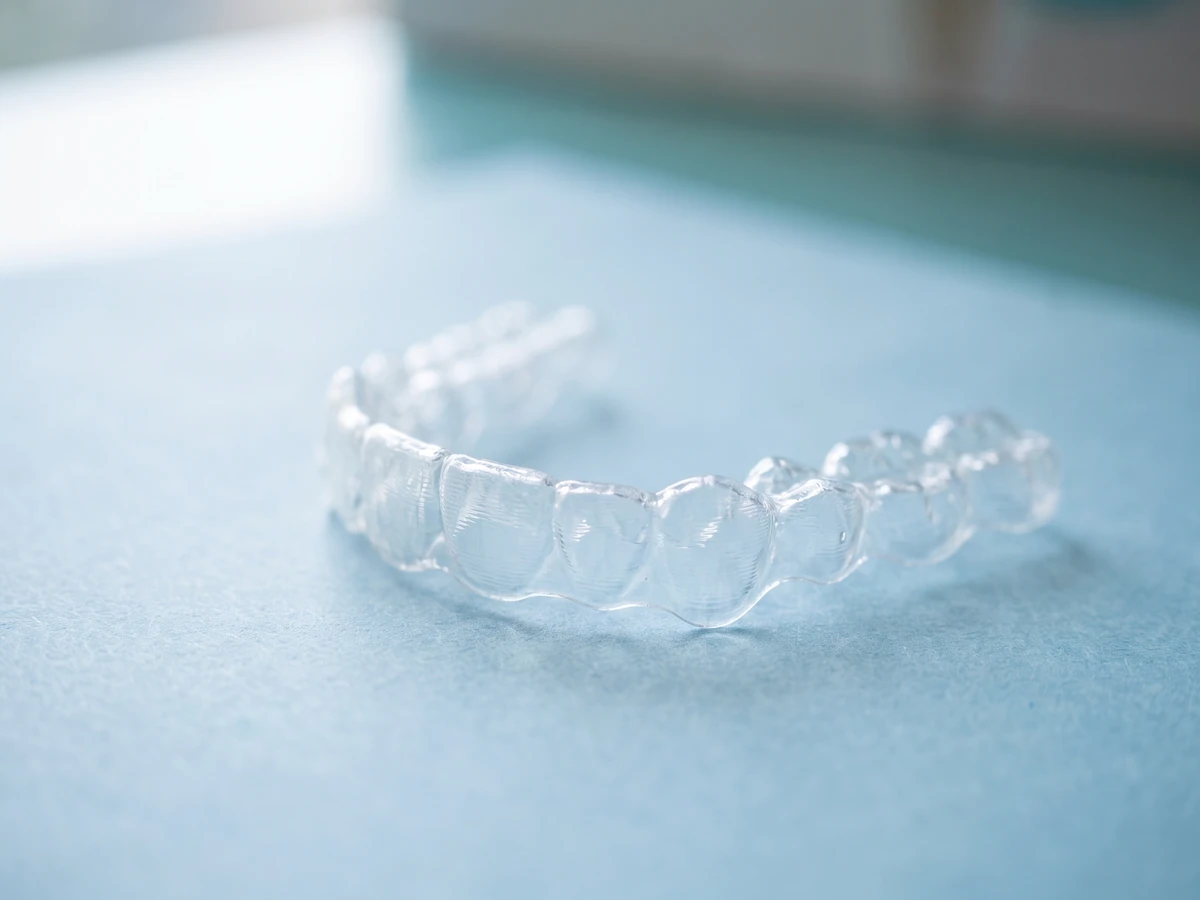
Through the use of clear aligners, custom-fitted to each individual’s smile, Invisalign gently repositions teeth without the visual and physical intrusiveness of traditional braces.
On this page
Invisalign Blue Diamond provider, per Align's doctor locator, read October 2026.
Four offices
Four offices. Which one is yours?
Type your town or ZIP, or use your location, and the nearest office appears. Then plan your first visit there.
For example, Southborough or 01772
Or choose an office
First visit Your first visit
Plan your first visit at
What Invisalign is
Invisalign uses advanced 3D computer-imaging technology to map out the complete treatment plan, from the initial position of your teeth to the final desired position. Then, a series of custom-made, clear aligners are created specifically for your teeth. These aligners are virtually invisible and fit snugly over your teeth, gently and gradually moving them into place. Invisalign offers a comfortable, flexible, and discreet treatment option for those seeking to improve their smile. How the number of aligners in a plan is set, and why it can change, is the question of how many aligners you get.
Read about digital scanning.
How you wear your aligners
Your orthodontist tells you how many hours a day to wear them. You move to each new set of aligners on the schedule your orthodontist sets. Your orthodontist sets how often you come in. Fit and tooth movement are what your orthodontist reads, as can an orthodontist tell if aligners were worn explains.
Read about remote dental monitoring and Invisalign in Northborough.
What else happens during treatment
Three more things can happen during treatment; your orthodontist decides how each fits your plan. Elastics are another possible part of a plan, and rubber bands with Invisalign explains where they hook on.
Attachments on some teeth
An aligner may need a grip point to move some teeth, and the American Association of Orthodontists (AAO) says tooth-colored attachments are frequently placed on teeth to help guide them into place. Align, the maker of Invisalign, says they are generally recommended when teeth need more significant movement. In a 2015 laboratory study in the Angle Orthodontist, beveled attachments made the tested aligners hold on significantly better than ellipsoid attachments or none. Whether you need any, and on which teeth, is decided when your orthodontist plans your treatment from your scan. If one comes off between visits, see when an Invisalign attachment falls off.
Tooth shaping between teeth
Some plans make room by removing a small amount of enamel from between teeth, which the AAO glossary (opens in a new tab) calls interproximal reduction. A 2023 article in Progress in Orthodontics says it is generally proposed to make space for crowding or repair an unusual tooth shape, and a 2020 study in that journal notes it is planned ahead in aligner software. In an answer about filing teeth at home, the AAO notes enamel cannot regenerate once it is gone. The 2023 study found a high rate of open gingival embrasures, gaps where gum does not fill the space below where two teeth touch, after aligner treatment in adults; shaping was linked to their severity, not to whether they appeared, and the authors conclude it cannot prevent them. Ask whether your plan includes any shaping when your orthodontist reviews it with you.
Tracking against the plan
Tracking is how closely your teeth follow the aligners, and the AAO says your orthodontist can evaluate the fit and whether teeth move as planned. Two studies in the American Journal of Orthodontics and Dentofacial Orthopedics, from 2009 and 2020, found teeth moved less than planned on average. What a tracking problem can mean for the plan is covered in the post on how long Invisalign takes. In the research, a refinement is a further series planned from where the teeth actually are; Invisalign refinements and Invisalign chewies, the chew tools Align says help seat aligners, each get a separate page. At each check-in your orthodontist compares your teeth with the plan and decides the next step.
Pros and cons
When deciding between Invisalign and traditional braces, it’s crucial to weigh the pros and cons.
Pros
- Invisibility: Invisalign aligners are clear and hardly noticeable.
- Comfort: Invisalign’s smooth plastic aligners are designed for comfort.
- Convenience: With removable aligners, you can eat whatever you like.
- Easier Oral Hygiene: Brushing and flossing are a breeze without braces in the way.
Cons
- Discipline Required: Can you commit to wearing your aligners for the hours your orthodontist prescribes?
- Complex Cases: For very complex dental issues, braces might be more effective.
- Cost: It depends on your case; see what shapes the cost of Invisalign.
Questions to ask before deciding
Making a decision? Here are some questions to mull over:
- What’s my daily routine like? Can you commit to wearing and maintaining aligners?
- How complex is my dental situation? Some cases are better suited for traditional braces.
- What’s my budget? Are you prepared for the financial commitment?
- What’s my end goal? Is Invisalign suitable for achieving your goals?
- How do I feel about visibility? Is the discreetness of Invisalign a major plus for you?
Remember, it’s all about finding the right fit for your lifestyle and dental needs. Once treatment starts, everyday questions are gathered in living with clear aligners.
Cost
Many patients are surprised to learn that Invisalign is often comparable in cost to traditional metal braces.
Read about the cost of Invisalign.
Questions
Frequently asked questions
How long does treatment take?
How long treatment takes depends on your case; your orthodontist gives you a timeline at the consultation.
How do I care for my aligners?
Simply rinse them in lukewarm water. Rinse and brush them daily to prevent buildup and odor. Avoid hot water, which can warp the plastic.
Will wearing aligners affect my speech?
There might be a short adjustment period, but most people quickly adapt.
Can I eat with my aligners in?
It’s best to remove them while eating to avoid damage.
Is Invisalign right for me?
Although not everyone qualifies as a good candidate for Invisalign treatment, you will never know unless you take that first step.
What are Invisalign attachments?
Invisalign attachments are small tooth-colored bumps bonded to selected teeth so the aligners have something to push against; Align, the maker, calls them SmartForce attachments and says not every patient needs them. Your orthodontist decides from your scan whether you need any, and the American Association of Orthodontists glossary says they are removed once treatment is complete.
Request a consultation
Tell us which office and who the visit is for, and we will call you back.