

After treatment
Retainers and retention
At Carvalho & Roth Orthodontics, we provide retainers to help ensure your smile stays exactly where it should be. Teeth can shift over time, even after successful treatment, which is why retainers play a key role in maintaining long-term results.
On this page
Four offices
Four offices. Which one is yours?
Type your town or ZIP, or use your location, and the nearest office appears. Then plan your first visit there.
For example, Southborough or 01772
Or choose an office
First visit Your first visit
Plan your first visit at
Why retainers matter after treatment
Once your braces come off, your teeth aren’t locked into place permanently. That’s where retainers after braces come in. Without proper retention, teeth can begin to shift back toward their original positions. This process is called relapse, and it’s more common than many people realize.
Wearing your retainer as prescribed helps prevent this movement and protects the progress you’ve made. Our office typically recommends supervised retention for 12 to 24 months, followed by occasional check-ins as needed.
Underneath the gums, the teeth don’t sit directly in the jawbone. Instead, they’re supported by the periodontal ligament, a piece of connective tissue made of tiny fibers that attach the tooth to the jawbone. After finishing with braces or Invisalign, your teeth may have shifted position. But the individual fibers of the periodontal ligament still haven’t adjusted to this new position. Left to their own devices, these fibers will pull the teeth back to their old positions.
This is why wearing a retainer is so important. Your retainer holds your teeth in their new positions long enough for the periodontal ligament, as well as the other tissues supporting teeth, to adjust to those positions, preventing regression and protecting your new smile.
Skipping your retainer, even for a few nights, can lead to gradual tooth movement. Over time, this can undo months of orthodontic work, requiring additional treatment.
Important things to know
- Consistent wear is the most effective way to avoid shifting
- Retainers are easy to clean and maintain with basic daily habits
- Removing them while eating or brushing helps preserve both the retainer and your oral health
Following through with your retention plan is just as important as completing active treatment. Our team is here to make sure you have the right tools and support to keep your smile in place.
Types of retainers we offer
The right type of retainer depends on your treatment, habits, and personal preferences. During your final appointment, we’ll go over the options and help you make an informed choice.
Clear retainers
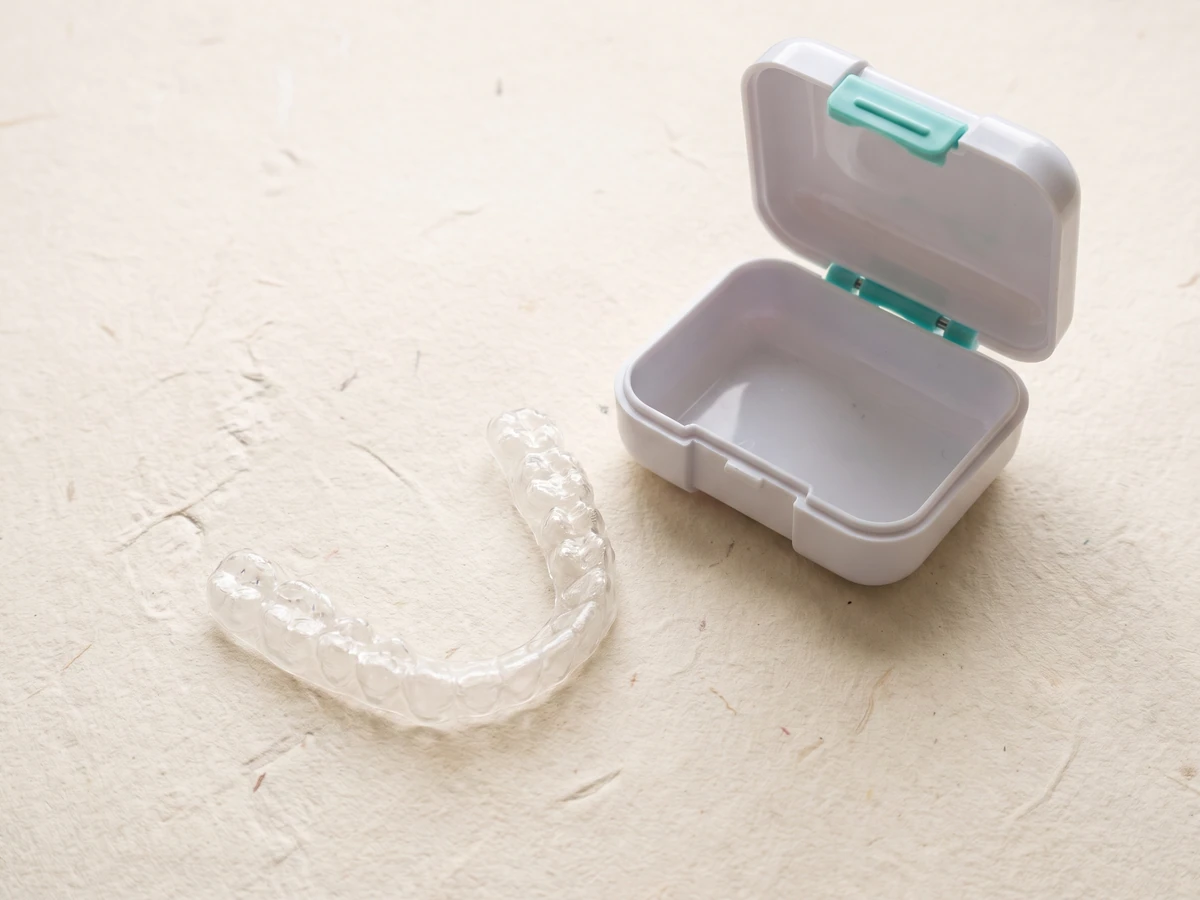
Clear retainers are made from a durable, transparent material that closely resembles Invisalign trays. These removable retainers are a popular option, especially among teens and adults who prefer a low-profile look after orthodontic treatment.
- Practically invisible when worn, making them ideal for work, school, or social events
- Designed to fit your teeth precisely, helping to keep them stable in their final position
- Easy to take out when eating, brushing, or flossing, which supports better hygiene and convenience
- Lightweight and comfortable to wear throughout the day or night
- Often chosen for upper arches where aesthetics are a higher priority
Clear retainers are usually worn full-time at first, then gradually moved to nighttime wear based on your orthodontist’s instructions. With proper care, they can last for years.
Fixed (bonded) retainers
Fixed retainers consist of a thin, custom-fitted wire that is bonded to the back side of your teeth, typically on the lower front arch. These retainers are a great option for patients who want a no-fuss solution that stays in place.
- Offers long-term, hands-off protection without the need to remember daily wear
- Perfect for patients who have experienced shifting in the past or are at higher risk for relapse
- Secured behind the teeth, making them invisible in everyday conversation or photos
- Works 24/7 to keep your alignment intact
- Requires some added attention to brushing and flossing, but we’ll show you how to keep it clean
These retainers are ideal for patients who prefer a permanent option or have difficulty keeping up with removable retainers.
Once your treatment is complete, your orthodontist will walk you through each option. They’ll discuss your habits, oral health needs, and preferences before recommending the type of retainer that will work best for you. Our goal is to give you a practical solution that keeps your smile in place without disrupting your daily life.
Custom retainers designed for your smile
All of our custom retainers are created based on your exact tooth alignment at the end of treatment. Using digital scans or impressions, we make sure your retainer fits comfortably.
- Designed specifically for your mouth, not generic templates
- Help maintain the exact alignment achieved during treatment
We offer both removable and fixed custom retainers. Your orthodontist will explain the differences and recommend an option for your case.
Caring for your retainer
- Wear your retainer as directed: This is the most important step
- Keep your retainer clean: Rinse daily and brush it gently to prevent buildup
- Store it properly: Use the case when not wearing it to avoid damage or loss
- Maintain regular check-ins: Follow up with your orthodontist for retainer checks and adjustments if needed
Avoid skipping days or “just trying it on later”: even small gaps in use can lead to unwanted shifting. Our team will give you clear instructions based on your unique retention plan.
- Clean your retainer daily with mild soap and cool water (avoid hot water).
- Store it in its case when not in use to prevent loss or damage.
- Avoid eating or drinking anything except water while wearing it.
Schedule a retainer check or replacement today
Retention is an important part of your orthodontic care, and at Carvalho & Roth Orthodontics, we make sure you’re supported even after active treatment ends. If you have questions, need an adjustment, or think your retainer isn’t fitting like it used to, don’t wait to reach out.
Questions
Frequently asked questions
What does a retainer do?
Your retainer holds your teeth in their new positions long enough for the periodontal ligament, as well as the other tissues supporting teeth, to adjust to those positions, preventing regression and protecting your new smile.
What happens if I don’t wear my retainer?
Skipping your retainer, even for a few nights, can lead to gradual tooth movement. Over time, this can undo months of orthodontic work, requiring additional treatment.
What should I do if I lose or break my retainer?
If you’ve found yourself with a retainer that just can’t be found or one that’s broken be sure to give our office a call so we can schedule you for a retainer replacement appointment.
Request a consultation
Tell us which office and who the visit is for, and we will call you back.