

On this page
Choosing between Invisalign vs retainer can be a complex decision. You might be finishing up braces and wondering what comes next, or considering Invisalign as a low-profile way to improve your smile. Each option plays a unique role in orthodontic care, and the right one depends on your needs, goals, and stage of treatment.
This blog breaks down the key differences, explains when each option is used, and helps you decide what makes the most sense for you. If you’re comparing Invisalign vs retainer, this guide will help clarify what each one does and who it’s for.
What’s the Difference Between Invisalign and a Retainer?
Invisalign and retainers are often mentioned together, but they serve very different purposes. Invisalign is an active treatment. It uses a series of clear, removable aligners to gradually move your teeth into better positions. Each set of aligners is slightly different, working step by step to improve alignment and correct bite issues.
A retainer, on the other hand, is designed to hold your teeth in place after treatment. It doesn’t shift teeth; it keeps them from moving back. Retainers come in different forms, like clear plastic trays or wire-based options, and are usually worn at night. Their main job is to preserve your smile after braces or Invisalign.
The difference between Invisalign and a retainer comes down to movement versus maintenance. Invisalign moves teeth into place. Retainers keep them there. Understanding that contrast is key to making the right choice based on where you are in your smile journey.
When Is Invisalign the Better Option?
Invisalign treatment is a solid choice for people looking to correct mild to moderate alignment issues without the appearance or feel of traditional braces. It appeals to both teens and adults who prefer a less noticeable treatment option that doesn’t involve brackets or wires. The aligners are fully removable, making it easier to eat, brush, and floss, without having to adjust your entire routine.
Unlike a retainer, Invisalign actively moves your teeth into better positions over time. Most patients change aligners regularly, with each new set making small, precise adjustments. Treatment plans are typically mapped out using advanced digital scans, which help ensure accuracy from start to finish.
Invisalign treatment is also a good fit for people with busy schedules or who want fewer interruptions. Since the trays are clear and comfortable, they don’t cause as much irritation and don’t require frequent in-office adjustments.
You might consider Invisalign if you:
- Want to fix spacing, crowding, or bite issues (opens in a new tab)
- Prefer a discreet treatment that blends in with your smile
- Can commit to wearing aligners as much as possible during the day and night
- Want the flexibility to remove your aligners for meals and brushing
- Are looking for a treatment that fits easily into your daily life
If you’re weighing Invisalign vs retainer and looking for a solution that does more than just maintain, Invisalign offers active results with convenience and comfort.
When Should You Stick with a Retainer?
Once your orthodontic treatment is finished, retainers become essential. They’re not about changing your smile. They’re about keeping it. Without one, your teeth can slowly shift out of place, undoing the progress you’ve made. That’s true no matter what kind of treatment you had, including Invisalign or braces.
Retainers are also a good option for people who’ve had minor movement and don’t need full treatment again. In some cases, a retainer alone can help keep things stable without additional alignment tools. They’re lightweight, low-maintenance, and often worn only at night.
Here’s what makes retainers a smart pick:
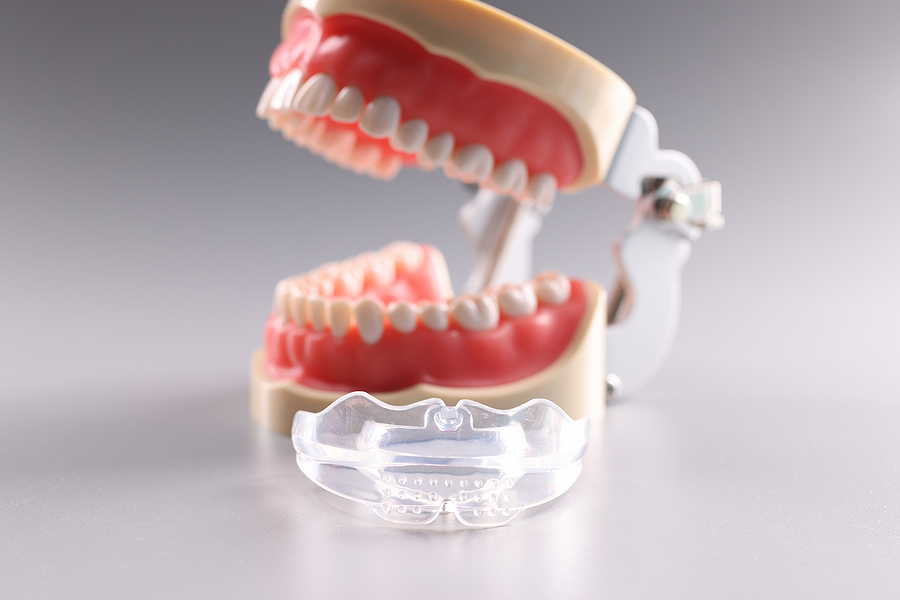
- Keeps teeth from shifting after treatment
- Easy to wear, often while sleeping
- Typically more affordable than aligners
- Doesn’t require frequent office visits
- Can last for years with proper care
If you’re weighing Invisalign vs retainer and you’ve already reached your final results, the retainer is likely your next step. It’s the long-term guard that helps your smile stay where it belongs.
Key Questions to Help You Decide
Choosing between Invisalign and a retainer comes down to your current needs and how much change your teeth still require. Think about your goals. Are you trying to make noticeable improvements, or just protect the results you’ve already achieved?
Lifestyle also plays a role. Both options are removable, but Invisalign requires more structure, like wearing the trays and switching to new ones regularly. A retainer usually has a simpler routine, often just worn at night. Cost and time commitment are worth considering, too.
Ask yourself the following:
- Do I want to maintain my current smile or make more changes?
- Can I commit to wearing aligners most of the day?
- Am I looking for a short-term or long-term solution?
- How much am I comfortable spending on orthodontic care?
- Has a dentist or orthodontist recommended one option over the other?
These questions can help clarify which orthodontic appliance fits your current situation. As you weigh Invisalign vs retainer, think about where you are now and what kind of support your smile really needs.
Frequently Asked Questions
Do Invisalign and retainers look the same?
Not exactly. While both are clear and removable, Invisalign aligners are designed to move your teeth, whereas retainers are made to hold teeth in place after treatment.
Can a retainer straighten my teeth?
No, retainers are not meant to shift teeth. Their purpose is to maintain your results after orthodontic treatment, like braces or Invisalign.
How long do I have to wear Invisalign each day?
For best results, Invisalign aligners should be worn as much as possible during the day and night. Removing them too often can slow progress or affect the outcome.
Is it normal to need a retainer after Invisalign?
Yes. After completing Invisalign, you’ll need a retainer to keep your teeth from moving back. This is a standard part of maintaining your results.
Which is more affordable Invisalign or a retainer?
Retainers are generally less expensive because they’re used for maintenance, not treatment. Invisalign involves a full treatment plan, which usually costs more.
Get to Know the Carvalho & Roth Orthodontics Team
At Carvalho & Roth Orthodontics, we help patients across Massachusetts make confident choices about their orthodontic care. With locations in Marlborough, Newton Centre, Northborough, and Worcester, our team offers personalized treatment for kids, teens, and adults.
If you’re comparing Invisalign vs retainer and want guidance, we’re here to walk you through your options and answer every question without pressure.
Book your consultation with Carvalho & Roth Orthodontics and take the first step toward a healthier, lasting smile.
Our offices
Marlborough Orthodontic Office
Phone (508) 485-8788 call or text
Northborough Orthodontic Office
Phone (508) 393-5400
Newton Centre Orthodontic Office
Phone (617) 332-2434
Phone (508) 485-8788 call or text
Request a consultation
Call or text us and tell us which office and who the visit is for.