

Underbite Correction Braces: Treatment Options, Cost, and Timeline
On this page
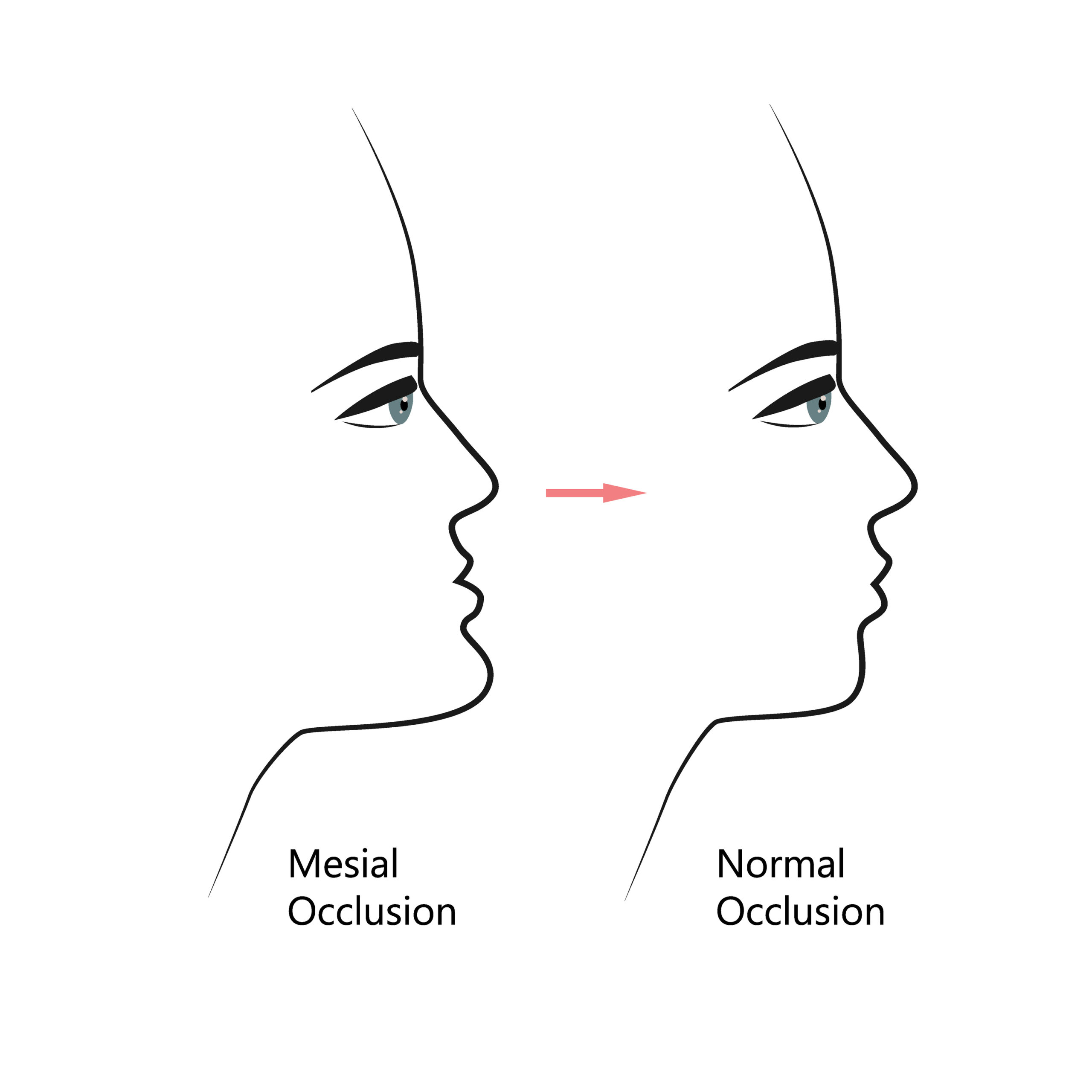
An underbite can affect much more than the way a smile looks. When the lower teeth sit in front of the upper teeth, it can change the bite, place extra strain on certain teeth, and make chewing less comfortable. In some cases, the problem is mostly related to tooth position. In others, the jaw itself plays a bigger role. That distinction matters because it affects the treatment plan, the timeline, and the overall cost.
Braces are one of the most common ways to correct an underbite, but they are not the only option. Some patients respond well to braces alone. Others may need elastics, expanders, extractions, or a combined orthodontic and surgical approach. At Carvalho and Roth Orthodontics, the right plan depends on how severe the underbite is, whether the issue is dental or skeletal, and how the teeth and jaws fit together overall.
What is an underbite?
An underbite happens when the lower front teeth or lower jaw sit in front of the upper front teeth. Mild cases may seem mostly cosmetic at first, but even then, the bite may not be functioning the way it should. More significant cases can affect chewing, speech, tooth wear, and long-term dental balance.
Some underbites are caused mainly by tooth position. Others are driven more by jaw size or jaw alignment. That is why diagnosis matters so much. A bite that looks simple from the front can turn out to be far more complex once the full relationship between the teeth and jaws is examined. Many of the bite issues described under common orthodontic problems fall into exactly this kind of category.
Can braces fix an underbite?
Yes, braces can correct many underbites, but not every underbite in the same way.
When the underbite is caused mostly by tooth position, braces may be enough to move the teeth into a healthier relationship. In some cases, braces are paired with elastics to guide how the upper and lower arches come together. If spacing, crowding, or arch width is also part of the problem, those issues may be treated at the same time.
The answer changes when the underbite is more skeletal. If the upper and lower jaws are significantly out of alignment, braces may still be part of treatment, but they may not be able to fully correct the bite on their own. In more severe cases, orthognathic surgery may become part of the treatment plan.
What treatment options may be used for underbite correction?
There is no one-size-fits-all formula for underbite correction. Treatment may involve one or more of the following:
Braces
Traditional braces are often a strong option because they allow precise control over tooth movement. They may be used to align the arches, improve the bite, and create the kind of control needed in more complex cases. Different types of braces may be considered depending on the goals of treatment.
Elastics
Rubber bands are often used with braces to help improve how the upper and lower teeth fit together. They can play an important role in bite correction, especially when the goal is not just straightening teeth but improving the overall relationship between the arches.
Expanders or growth-guided treatment
In younger patients, treatment may sometimes involve appliances that help guide jaw development or create room for better alignment. Whether that is appropriate depends heavily on age, growth stage, and the source of the underbite.
Invisalign or clear aligners
Some mild underbite cases may be treated with aligners, but that depends on the exact movements needed and how much bite correction is required. In selected cases, aligners can be part of the plan, but more complex underbites often call for the kind of control braces provide. Patients comparing options may also want to explore braces vs. Invisalign to better understand where each approach tends to fit.
Surgery
When the jaw relationship is the real source of the problem, orthodontic treatment alone may not be enough. In severe skeletal cases, braces are often used before and after surgery, while the surgical portion corrects the jaw position itself.
Your jaw surgery will be performed by an oral and maxillofacial surgeon.
When is surgery needed for an underbite?
Surgery is usually considered when the underbite comes mainly from jaw structure rather than tooth position alone. That does not mean every underbite needs surgery. Many do not. But when the lower jaw is too far forward, the upper jaw is too far back, or the skeletal discrepancy is too great, braces can only do so much.
In those cases, braces may still be essential, just not as a standalone solution. The orthodontic part of treatment prepares the teeth for a healthier final bite, while surgery corrects the jaw relationship that braces cannot fix by themselves.
How long does underbite correction take?
The timeline depends on how much correction is needed and what kind of treatment is involved.
For milder cases where braces alone are used, treatment may be closer to a standard orthodontic timeline. Moderate cases with bite correction mechanics can take longer, especially when more precise changes to the way the arches fit together are needed. If surgery is part of the plan, treatment usually takes longer because it includes orthodontic preparation before surgery and finishing work afterward.
That is why there is no honest single number that fits every underbite case. Some patients need relatively straightforward correction. Others need a much longer process because the bite problem is more structural than cosmetic.
What affects the cost of underbite braces?
Cost varies for the same reason timeline varies: underbites are not all the same.
Some of the biggest cost factors include:
- how mild or severe the underbite is
- whether treatment is mostly dental or more skeletal
- whether braces alone can work or if surgery is needed
- how long is treatment expected to last
- whether other appliances or additional phases of treatment are required
- the type of braces or appliance selected
If treatment involves surgery, the overall cost usually increases because the orthodontic and surgical components are separate parts of care.
Does age affect underbite treatment?
Yes, in some cases.
In younger patients, growth can create opportunities that are not available later. That may make it easier to guide jaw development or reduce the severity of the problem before it becomes more established. In adults, treatment is still very possible, but the plan may rely more heavily on tooth movement alone or on a combined orthodontic and surgical approach when skeletal correction is needed.
That does not mean adults are poor candidates. It simply means the treatment strategy may be different.
What should patients expect before treatment starts?
The most important first step is a proper evaluation. Underbites can look similar on the surface while needing very different treatment plans. Before deciding between braces, aligners, or surgery, the bite needs to be examined carefully.
That evaluation helps answer the questions that matter most:
- Is this mainly a tooth-position issue or a jaw-position issue?
- Can braces alone correct it?
- Would surgery improve the result?
- How long is treatment likely to take?
- What will have the biggest effect on cost?
Those answers shape the treatment plan from the beginning and help prevent unrealistic expectations later.
The right underbite treatment starts with the right diagnosis
Braces can play a major role in underbite correction, but the best results come from matching treatment to the real cause of the bite problem. Some underbites respond well to braces and bite-correction mechanics alone. Others need a broader plan that may include growth guidance or surgery.
At Carvalho & Roth Orthodontics, underbite treatment is guided by careful diagnosis and specialist planning. Our orthodontists bring advanced orthodontic training to cases that require more than a surface-level look at the bite.
This is important because underbite correction is not just about straightening teeth. It is about understanding how the teeth, jaws, and facial structure work together so that treatment is planned accurately from the start. Patients who are ready to explore treatment can schedule a consultation to get started.
FAQs
Can braces fix an underbite without surgery?
Yes, in many cases. If the underbite is caused mainly by tooth position rather than a major jaw discrepancy, braces may be able to correct it without surgery.
Is underbite correction more expensive than regular braces?
It can be. Underbite treatment may involve more complex bite correction, a longer timeline, or surgery in severe cases, all of which can increase the overall cost.
How do I know if my underbite is dental or skeletal?
That can only be determined through an orthodontic evaluation. Some underbites are caused mostly by tooth position, while others come from the way the jaws are aligned.
Can Invisalign fix an underbite?
Sometimes, but only in selected cases. Mild underbites may be treatable with aligners, while more complex bite problems often require braces or a combined orthodontic-surgical plan.
What happens if an underbite is left untreated?
It can lead to uneven tooth wear, bite problems, chewing difficulty, and added strain on the teeth and jaw over time.
Our offices
Marlborough Orthodontic Office
Phone (508) 485-8788 call or text
Northborough Orthodontic Office
Phone (508) 393-5400
Newton Centre Orthodontic Office
Phone (617) 332-2434
Phone (508) 485-8788 call or text
Request a consultation
Call or text us and tell us which office and who the visit is for.