

What Is the Best Age to Get a Palate Expander? A Parent’s Guide
On this page
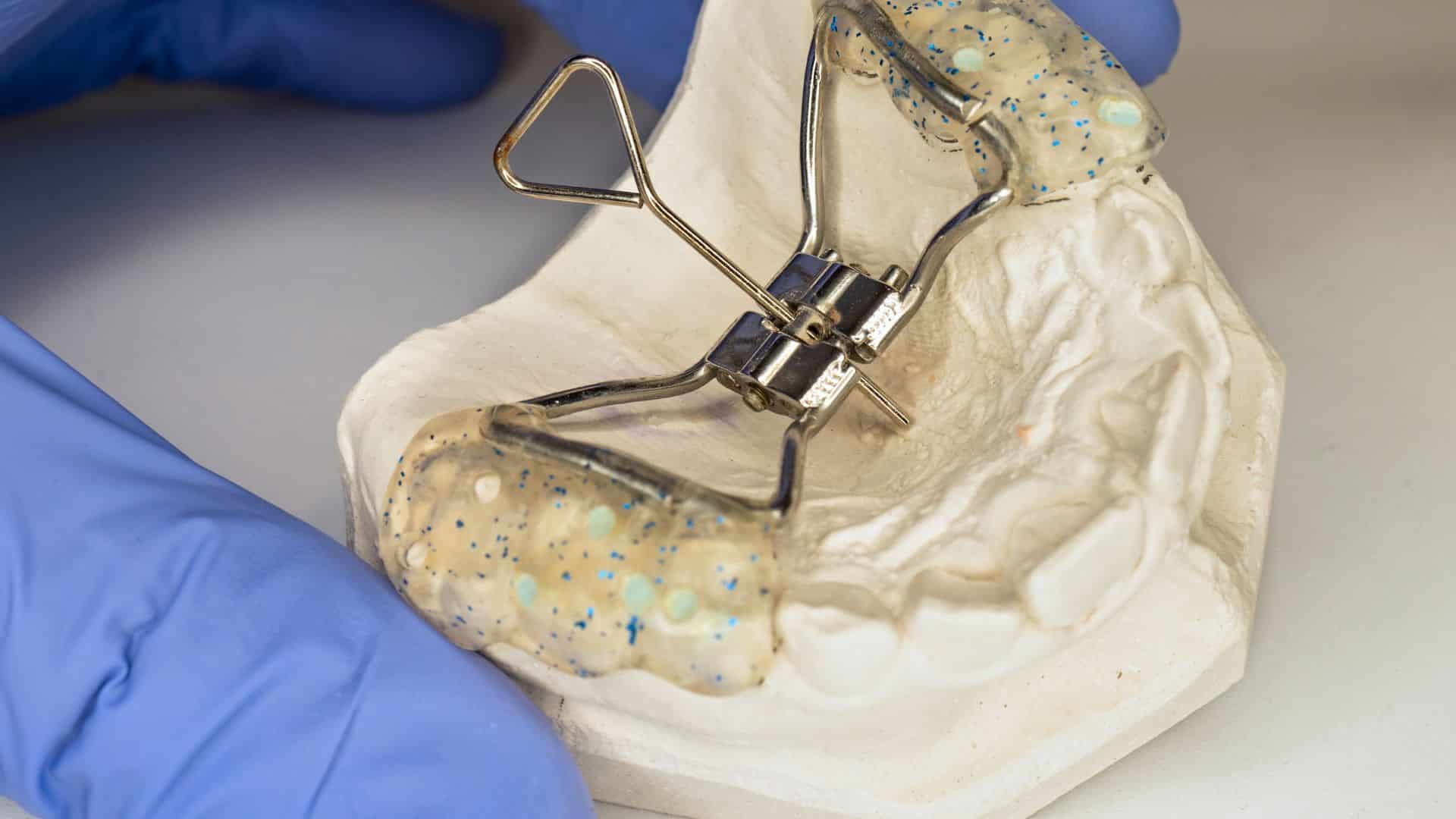
When a child’s smile starts developing, it’s more than just cute; it’s the foundation for their future oral health. Every parent wants to make sure their child has the best chance for a healthy, confident smile. One treatment that can make a huge difference is a palate expander. But many parents ask the same question: What is the best age to get a palate expander? Understanding the timing can make a big impact on how well the treatment works.
At Carvalho & Roth Orthodontics, we are dedicated to helping families in Marlborough, Northborough, Newton Centre, and Worcester achieve beautiful, healthy smiles. Our team offers personalized care every step of the way.
Understanding What a Palate Expander Does
A palate expander is a device that gently widens the upper jaw. This creates more space in the mouth, helps teeth grow in their proper positions, and can even improve breathing. The upper jaw naturally develops in two halves during childhood, and a palate expander works best while those halves are still growing and flexible.
When used at the right time, the results can be quicker and more comfortable compared to starting later in life.
Why Timing Matters for Palate Expander Treatment
The upper jaw typically fuses together during the early teenage years. That’s why orthodontists recommend starting palate expander treatment while the jaw is still developing. Acting early means the process is easier for the child and often avoids more invasive treatments later.
The right age can vary depending on the child’s unique dental and facial growth.
Signs Your Child May Need a Palate Expander
Not every child will need a palate expander, but certain signs may indicate it could help. Parents should keep an eye out for:
- Crowded teeth or overlapping front teeth
- A crossbite, where the upper teeth sit inside the lower teeth
- Narrow smile or high-arched palate
- Difficulty breathing through the nose
- Thumb-sucking habit that has affected jaw growth
If you notice these issues, a consultation can help determine the best treatment plan.
The Best Age for a Palate Expander
While every child’s needs are unique, most orthodontists agree that the best age for a palate expander is when the child still has some baby teeth but is already growing permanent teeth. At this stage, the jawbone is still flexible enough for the appliance to work effectively without surgery.
Children who start treatment at this age often experience quicker results and less discomfort, while also reducing the need for tooth extractions later.
Benefits of Starting Palate Expansion Early
Choosing the right time for a palate expander offers several advantages:
- Better alignment of teeth: Creates enough space for permanent teeth to grow in naturally
- Improved bite: Helps fix crossbites, underbites, or other jaw misalignments
- Easier orthodontic treatment later: May shorten the time your child needs braces or Invisalign
- Improved breathing: Widening the palate can help open airways, aiding in nasal breathing
When started early, these benefits are achieved with less effort and more lasting results.
What Happens If You Wait Too Long?
If palate expander treatment is delayed until after the jaw has fused, the process becomes more challenging. In teens and adults, widening the jaw may require surgery or more complex orthodontic procedures. This is why early evaluation is so important.
An orthodontic check-up by age 7, as recommended by the American Association of Orthodontists, can catch these problems early.
Life with a Palate Expander: What Parents Should Know
A palate expander is custom-made for your child and typically worn for several months. Parents will be shown how to turn a small key to gradually widen the device. Most children adjust quickly, and any initial discomfort usually goes away within a few days.
Here are some tips for a smoother experience:
- Stick to soft foods during the first few days
- Maintain excellent oral hygiene to prevent food buildup
- Follow all adjustment schedules from your orthodontist
- Keep regular check-ups to monitor progress
Orthodontic Services at Carvalho & Roth Orthodontics
We believe in providing personalized care for patients of all ages in Marlborough and nearby areas. Our services include:
- Braces (metal, ceramic, and self-ligating)
- Invisalign® clear aligners
- Palate expanders
- Retainers
- Early orthodontic treatment for children
- Adult orthodontics
- Orthodontic monitoring and adjustments
Give Your Child the Best Start for a Healthy Smile
Early orthodontic care can make all the difference for your child’s future smile and oral health. If you live in Marlborough, Northborough, Newton Centre, or Worcester, our team at Carvalho & Roth Orthodontics is ready to provide guidance and customized treatment for your family.
Contact us today to schedule your child’s consultation and discover if a palate expander is the right choice for their growing smile.
Frequently Asked Questions
Does getting a palate expander hurt?
Most children feel mild pressure at first, but this usually fades within a few days.
How long will my child need to wear a palate expander?
Treatment typically lasts several months, depending on the child’s needs.
Can my child eat normally with a palate expander?
Yes, but soft foods are recommended at the start, and sticky or hard foods should be avoided.
Is a palate expander noticeable?
The device is placed on the roof of the mouth and is not very visible when your child smiles.
Will a palate expander change my child’s speech?
There may be a slight adjustment period, but speech usually returns to normal quickly.
Our offices
Marlborough Orthodontic Office
Phone (508) 485-8788 call or text
Northborough Orthodontic Office
Phone (508) 393-5400
Newton Centre Orthodontic Office
Phone (617) 332-2434
Phone (508) 485-8788 call or text
Request a consultation
Call or text us and tell us which office and who the visit is for.